KNUST Library System Organises KOHA Cataloguing Module Training
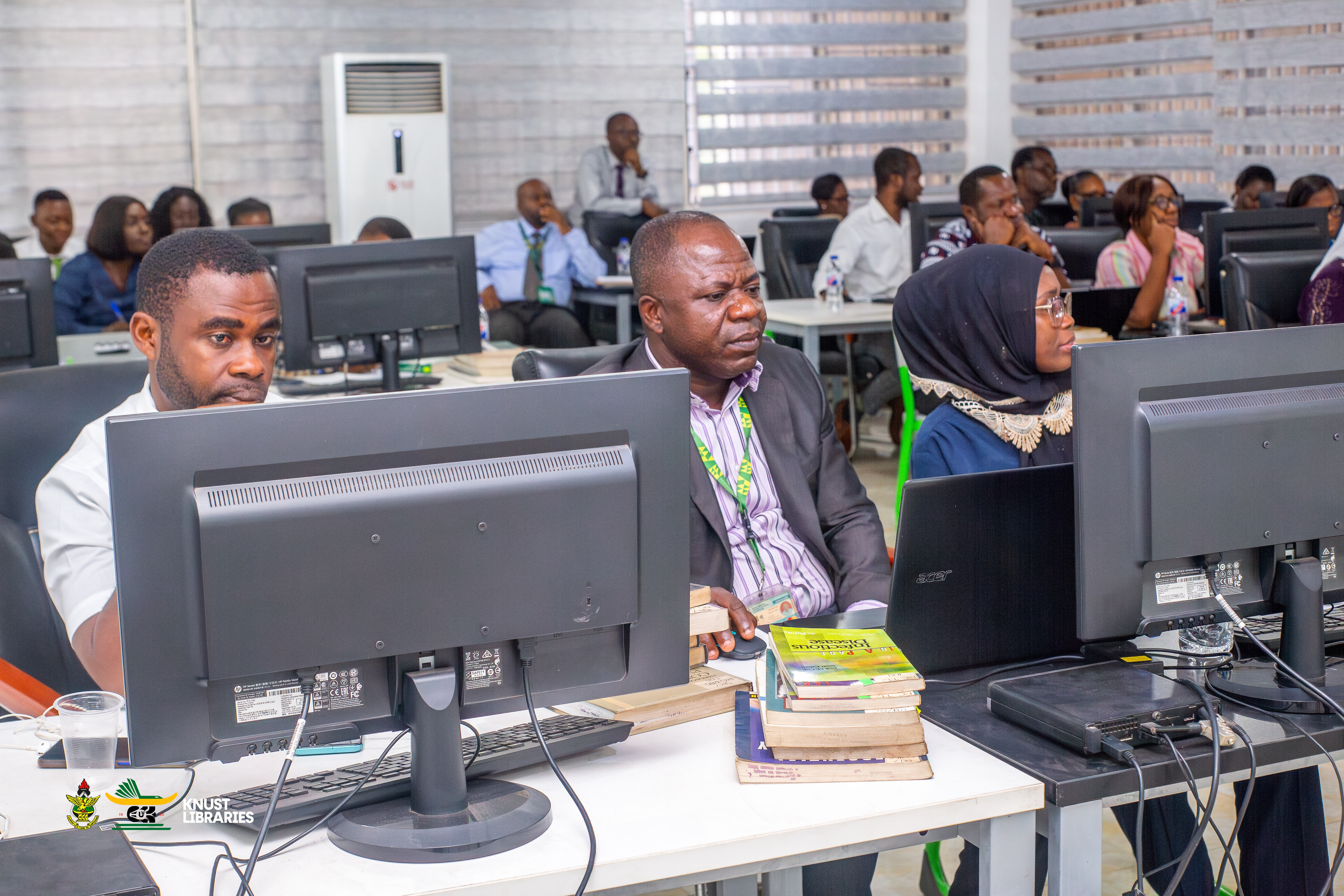
The KNUST Library System has organised a hands-on training session on the KOHA Cataloguing Module to strengthen staff capacity and support the Library's transition to KOHA.
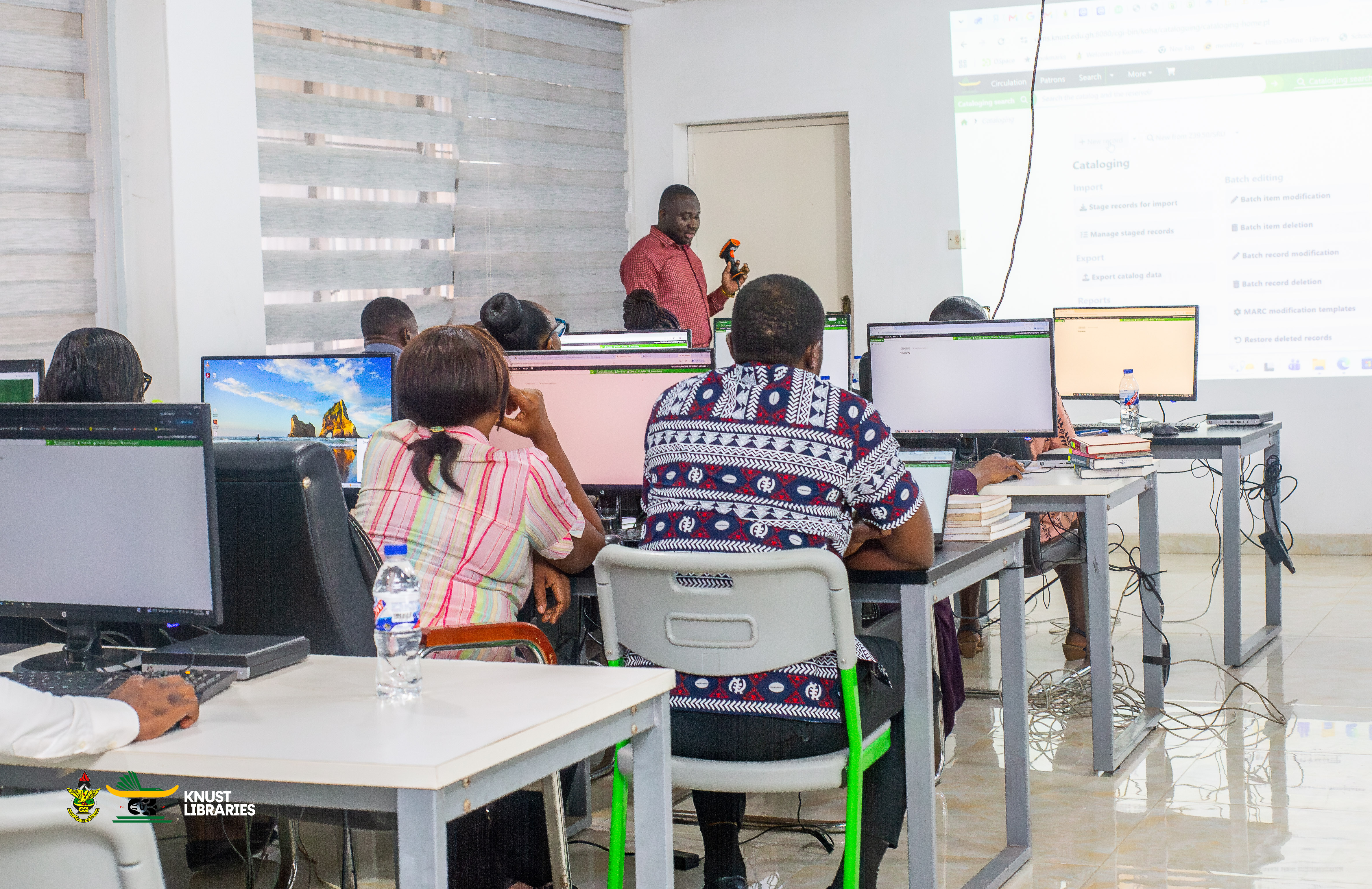
The KNUST Library System organised a training session on the KOHA Library Management System – Cataloguing Module on Monday, 7th September 2026, at The DEN, Prempeh II Library. The training was held from 10:00 a.m. to 2:00 p.m. as part of efforts to build staff capacity for the effective implementation and use of KOHA across the KNUST Library System.
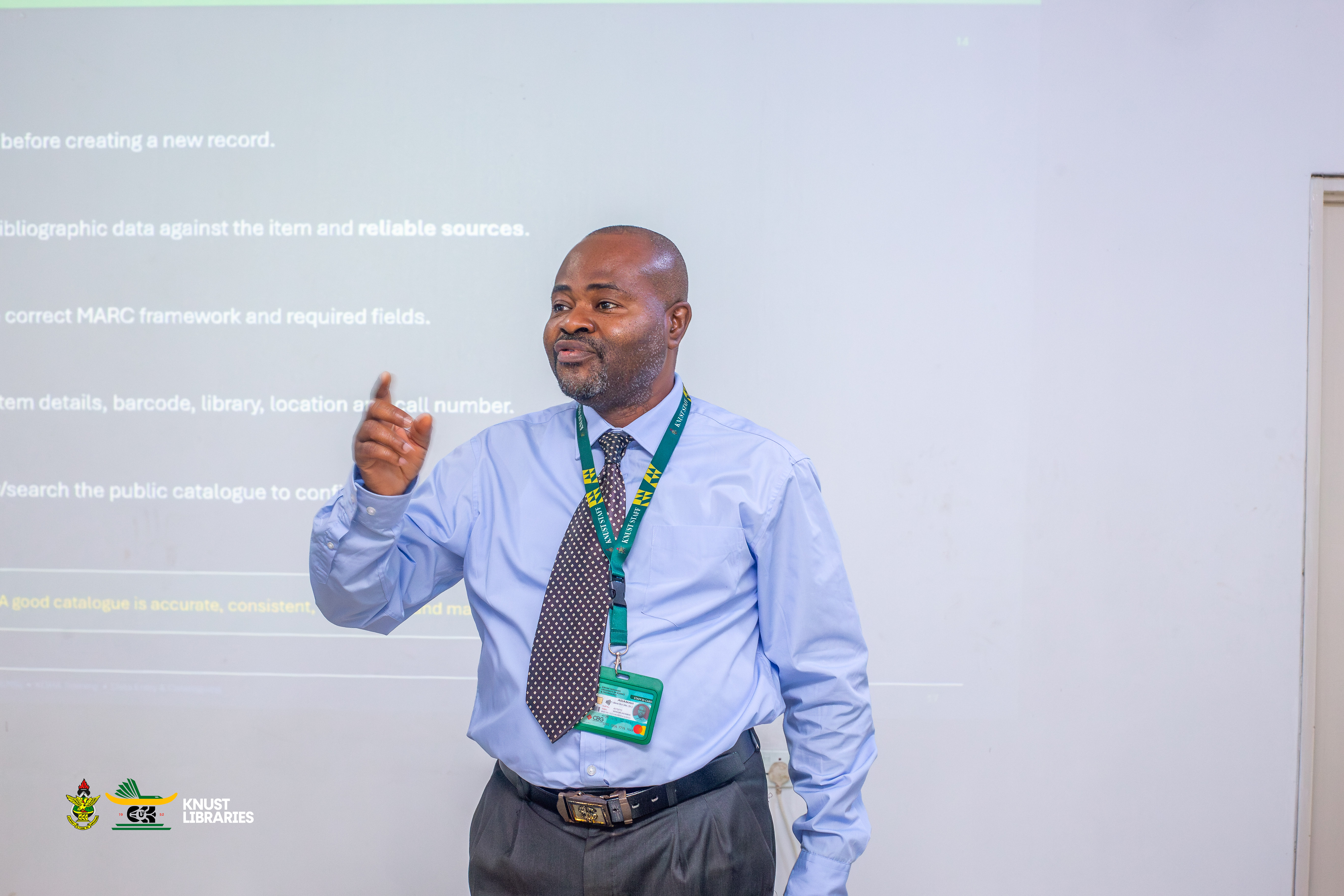
The training focused on equipping library staff with practical knowledge and skills in using the KOHA Cataloguing Module. Participants were introduced to the KOHA cataloguing interface and guided through key cataloguing processes, including searching for existing bibliographic records, creating and editing bibliographic records, working with MARC21 fields, creating item records, and managing cataloguing information.
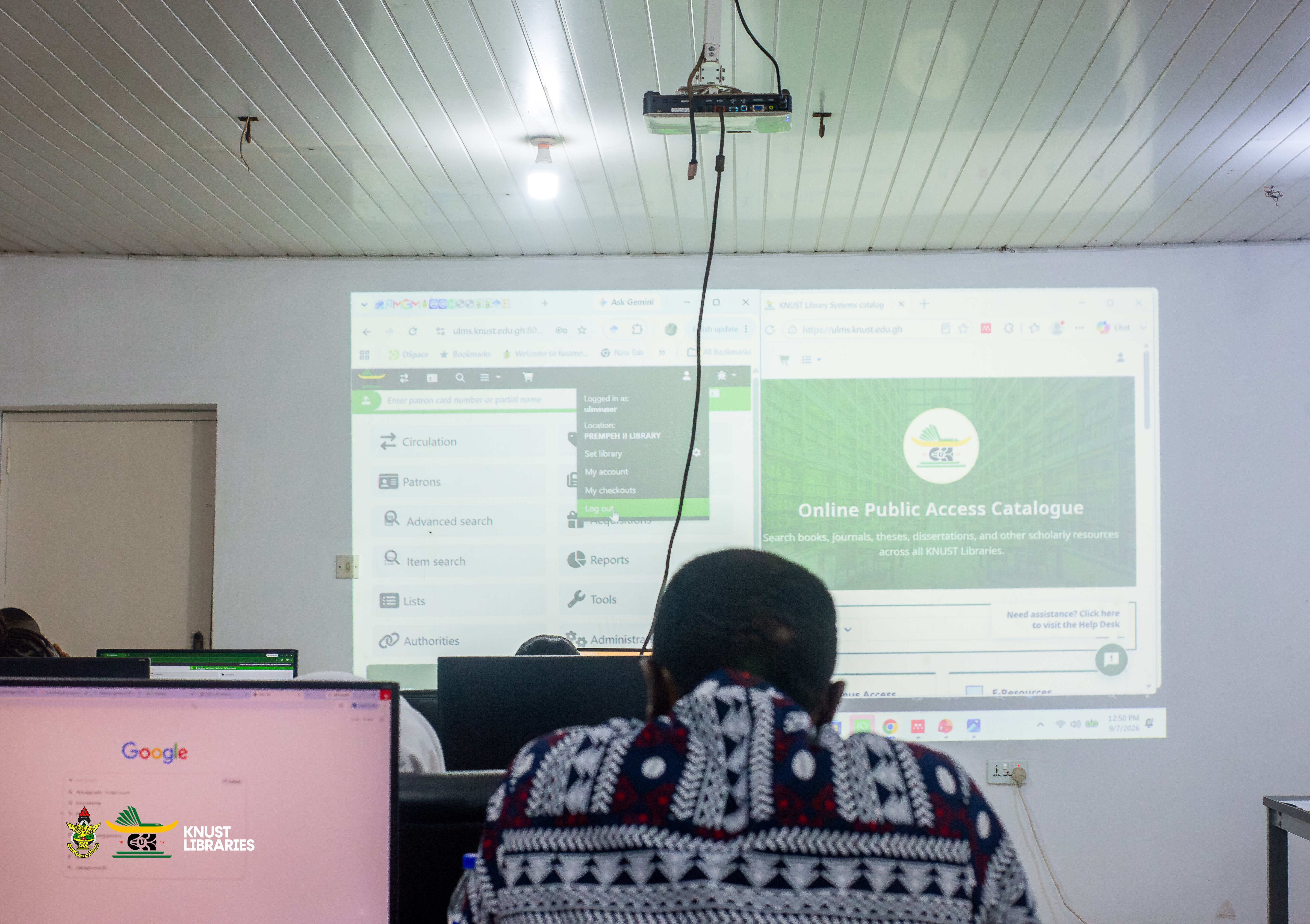
The session combined presentations, demonstrations and hands-on practical exercises, allowing participants to interact directly with the KOHA system and gain experience with the cataloguing workflow. Participants also had the opportunity to raise questions and discuss issues relating to cataloguing, data quality and the migration of existing library records to KOHA.
The training was facilitated by S. A. Y. Humphrey-Ackumey, assisted by David Nti and members of the Technical Support Team. The facilitators provided technical guidance and practical support throughout the session.
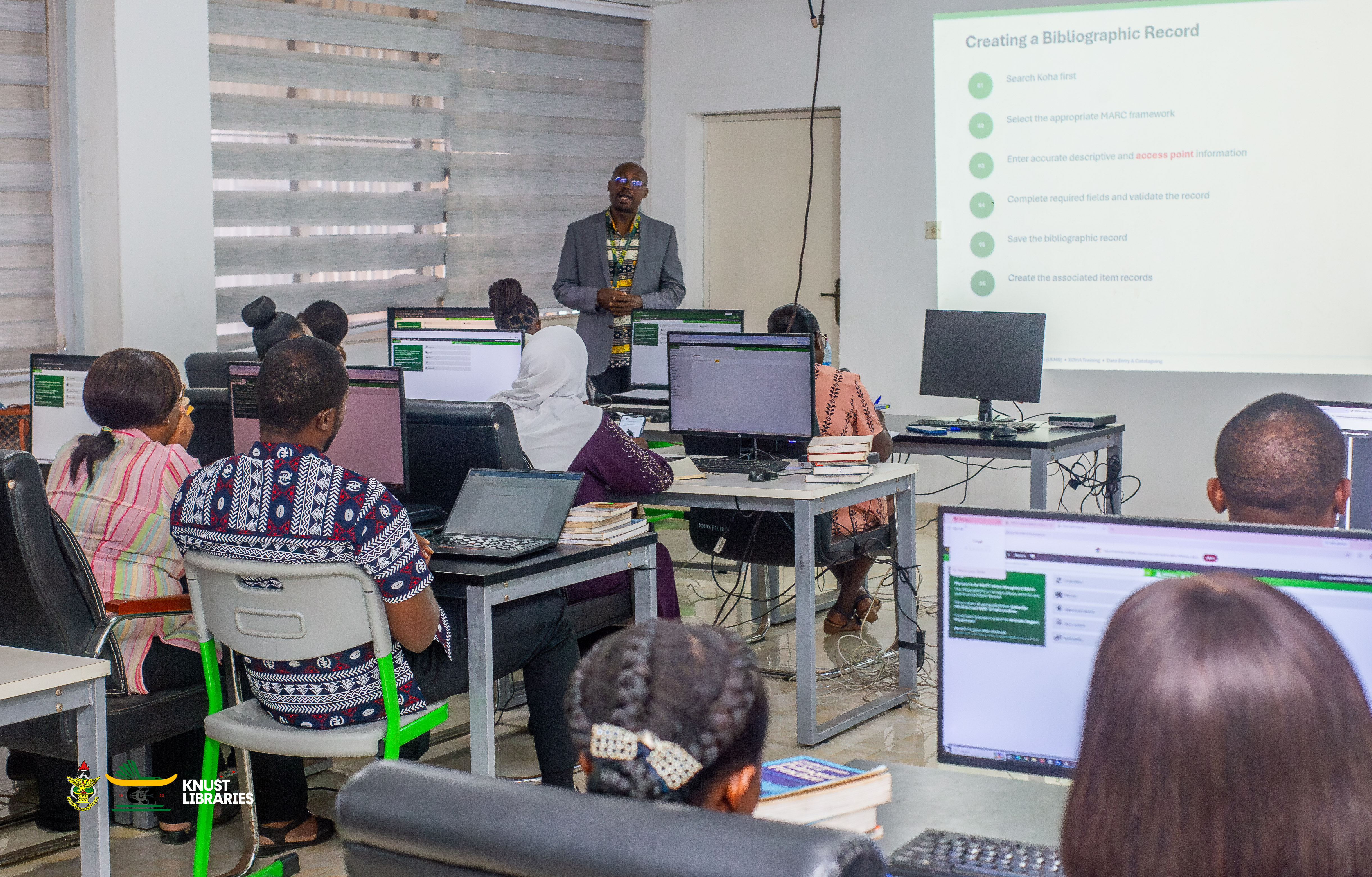
The programme forms part of the KNUST Library System's broader efforts to strengthen staff competencies and ensure a smooth transition to KOHA. Continued training and hands-on practice will be organised to support staff in effectively using the various modules of the system.
The KNUST Library System remains committed to leveraging modern library technologies to enhance the management of its collections and improve services to students, researchers, faculty and other members of the University community.