All news
16th-Jun-2026
KNUST Library Durbar Highlights Customer Service Excellence and Staff Development

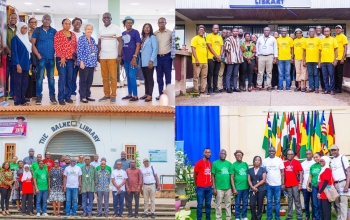
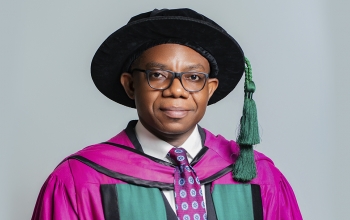
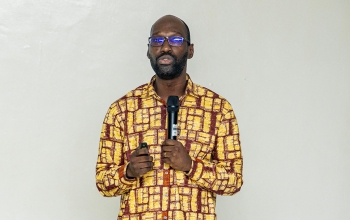
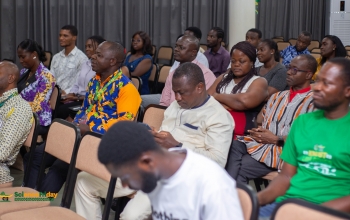
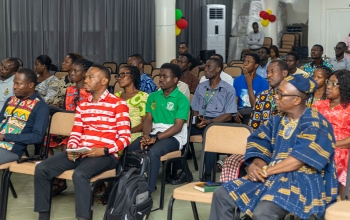
The KNUST Library System has reaffirmed its commitment to customer-centred service delivery, professionalism and continuous staff development at its 2026 Library Durbar, where participants received training on customer service, security and fire safety while engaging management on strategies to improve library operations. The durbar provided staff with an opportunity to seek clarification, share experiences and discuss practical approaches to enhancing customer satisfaction across the Library System. A major highlight of the programme was the Customer Service in Action role-play session facilitated by Dr. Edward M. Borteye, Deputy Librarian. Through realistic workplace scenarios, participants demonstrated effective customer engagement techniques, conflict resolution strategies and professional communication skills. The interactive session reinforced the importance of delivering exceptional user experiences and provided practical insights into managing the diverse expectations of library patrons in an evolving academic environment. Recognising the importance of safety and security in library operations, Mr. Justice B. B. Alhassan, Principal Security Officer of the KNUST Security Service, and Ms. Ernestina Mbawona Koare, Library Security Supervisor, delivered a presentation on library security. They highlighted the importance of vigilance, access control and staff cooperation in ensuring a safe and secure environment for users, collections and facilities. Staff also received training on fire prevention and emergency preparedness from Mr. Philip Abban, Principal Fire Officer of the KNUST Fire Unit. The session focused on fire prevention measures, evacuation procedures and the collective responsibility of staff in safeguarding lives and property within library facilities. An open forum moderated by Mr. Joseph Taylor, Principal Librarian, Engineering, enabled staff to engage directly with management, raise concerns and propose ideas for improving service delivery and advancing the development of the Library System. The discussions underscored the value of open communication and collective problem-solving in achieving institutional excellence. The University Librarian, Dr. Richard Bruce Lamptey, expressed appreciation to the presenters, facilitators and staff for their active participation. He commended staff for their dedication and encouraged them to apply the lessons learned to further enhance service delivery and strengthen the Library's role in supporting teaching, learning and research at the University. The Library Registrar, Ms. Felicia Amankwah, subsequently briefed staff on upcoming activities and other institutional matters.

12th-Jun-2026
Donation to KNUST MUSEUM

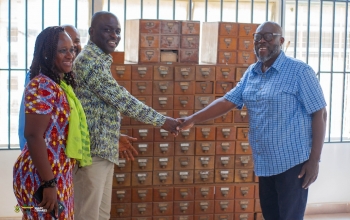
Preserving Heritage: KNUST Library Donates Historic Card Catalogue to the Opoku Ware II Museum On April 2, 2026, the KNUST Library took a significant step toward preserving its institutional heritage by officially donating its historic physical card catalogue to the Opoku Ware II Museum, KNUST. Once the backbone of information retrieval and knowledge organization on campus, the catalogue has transitioned from an essential academic tool into a treasured historical artifact. Its preservation ensures that future generations can appreciate the evolution of librarianship and the enduring legacy of knowledge management at the university. The historic handover was conducted by a delegation from the KNUST Library System comprising the University Librarian, Dr. Richard Bruce Lamptey; the Senior Assistant Librarian and Head of the Collection Development and Management (CDM) Unit at the Prempeh II Library, Rev. Dr. Kwabena Ofori Asiamah; and the University Library Administrator, Ms. Vicentia Afeafa Adjandeh. The artifact was received on behalf of the museum by Prof. Edwin Kwesi Bodjawah, Associate Professor and Museum Coordinator. A Window into the History of Knowledge The library card catalogue carries a fascinating history that spans both global and local contexts. Internationally, card cataloguing evolved from ancient inventory systems into a standardized card-based method of organizing information during the eighteenth and nineteenth centuries. The concept gained prominence in 1791 when French revolutionaries used playing cards to catalogue collections. It was later refined and standardized by the Library of Congress through the introduction of typed catalogue cards, establishing a global framework for organizing library materials by author, title, and subject. At KNUST, the donated catalogue dates back to 1961 and reflects the university’s early efforts in information organization, storage, and retrieval. The Kumasi College of Technology Library, established in 1959, initially operated from the Institute of Mining and Mineral Engineering (IMME), located behind the present-day Jubilee Mall in the Commercial Area. Following the library’s relocation to its current site in 1961, a functional catalogue system was urgently developed to facilitate the efficient charging and discharging of books and other library materials. The Mechanics of an Antique Information System As a comprehensive and meticulously organized register, the card catalogue served as the primary tool through which users located books, journals, and other resources within the library. Each item in the collection was represented by a detailed 3 × 5-inch bibliographic card containing essential information such as the call number, author, title, and publisher. These cards were systematically arranged in standardized wooden cabinets according to strict alphabetical or subject-based classification schemes. Depending on institutional preferences, catalogues could be organized as Alphabetical, Classified, or Alphabetico-Classed systems. To maximize accessibility and efficiency, libraries ideally maintained four separate catalogues: Subject, Author, Title, and Class. At one point, KNUST Libraries operated all four systems simultaneously to provide comprehensive access to information for its users. From Card Drawers to Digital Discovery The physical card catalogue remained a prominent feature of library operations at KNUST until the turn of the millennium. Its use gradually declined around the year 2000, and by 2005 the wooden cabinets had been officially retired from active service. The retirement of the catalogue marked the beginning of a major digital transformation within the KNUST Library System. Manual cataloguing processes were first replaced by the Computerised Documentation Service/Integrated Set of Information Systems (CDS-ISIS). This was subsequently succeeded by the Alexandria Library Management System between 2009 and 2010, which introduced the Online Public Access Catalogue (OPAC) and significantly enhanced access to library resources. In line with evolving technological standards and the growing demands of modern library services, KNUST Libraries is currently preparing to migrate to Koha, a leading open-source integrated library management system that will further strengthen digital access and resource management. Preserving the Past for Future Generations Now permanently housed at the Opoku Ware II Museum, the 1961 card catalogue stands as a powerful symbol of KNUST’s journey through the changing landscape of information management. More than a collection of cards and cabinets, it represents decades of scholarly service, innovation, and institutional memory. Its preservation bridges the gap between the ink-and-paper traditions of the past and the dynamic digital future of education and knowledge dissemination. Photography: Yawson Obed, KNUST Library          

29th-May-2026
KNUST Library Hosts International Scholar to Discuss Future of Academic Libraries in Africa

The University Libraries of the Kwame Nkrumah University of Science and Technology, Kumasi (KNUST), have hosted international library scholar and Fulbright Scholar, Prof. Julia Gelfand, for a high-level engagement on the future of academic libraries, open science and digital scholarship in Africa. Prof. Julia Gelfand (Middle) with University Librarian, Dr. Richard Bruce Lamptey (R).The University Librarian, Dr. Richard Bruce Lamptey, said the visit provided an opportunity to strengthen international collaboration and expand the global partnerships of the KNUST Library System. He said the engagement was made possible through a shared vision with Prof. Monica Dankwa of the Department of Information Studies at the University of Ghana, who facilitated the scholar’s visit to KNUST as part of efforts to deepen collaboration between local and international institutions. Dr. Lamptey outlined his vision for the KNUST Library System, emphasizing the need for stronger local and international partnerships to enhance the library’s growth and global visibility. “As part of my vision, I need strong collaboration both locally and internationally. Partnership and visibility are very critical to what we are trying to achieve,” he said. He noted that the KNUST libraries provide access to books, journals, theses, newspapers, electronic databases and institutional repositories. He added that the libraries also offer student-focused services, including bookable study rooms, ICT support, digitization services, information literacy training and 24-hour access during examination periods. Dr. Lamptey expressed optimism about the outcomes of the visit, saying it would strengthen professional networks and create opportunities for future collaboration. “I believe that the outcome of this visit would be stronger professional networking, international visibility for the KNUST Library System and its staff, potential collaborations, and staff inspiration and motivation,” he said. Prof. Julia Gelfand, a Fulbright Scholar and International Library Leader at the Botswana International University of Science and Technology, commended KNUST for its innovative approach to library services and described the Library Mall concept as a strong model for academic libraries in Africa. “Libraries are beyond being repositories of physical formats. They are now highly service-oriented institutions focused on the needs of users,” she stated. She highlighted the importance of open access, digital scholarship, institutional repositories, artificial intelligence and collaborative research in shaping the future of academic libraries. “After being here, I would say that we need stronger networks among science and technology institutions across Africa so that we can learn from one another and collaborate more effectively,” she noted. Prof. Gelfand further emphasized the need for libraries to invest in staff development, grant writing, scholarly communication and digital scholarship to remain relevant in an increasingly technology-driven academic environment. She also encouraged library staff to take advantage of global knowledge-sharing opportunities, professional networking platforms and international collaborations to enhance academic library services and research visibility.

13th-May-2026
Science Friday, Episode 4 : Looking Through The Glass : Raman spectroscopy of concealed sample in sealed containers using shaped laser light

Historical Books Contain Toxic Substances Like Arsenic – Dr. George Dwapanyin Dr. George O. Dwapanyin, Research Fellow in Advanced Optical Imaging at the University of St Andrews, has revealed that some historical books contain hazardous substances such as arsenic, posing potential health risks to librarians, archivists, researchers and others who frequently handle them. He made the remarks during the fourth edition of ScienceFriday, organised by the KNUST Libraries to promote scientific discussion, research sharing and interdisciplinary collaboration within the university community. Dr. George O. Dwapanyin, Research Fellow in Advanced Optical Imaging at the University of St Andrews.Delivering a lecture titled “Drinks, Drugs, and Toxic Books: Recent Adventures in Spectroscopy Sensing”, Dr. Dwapanyin explained that toxic pigments used in the covers and pages of some old books could expose handlers to harmful chemicals through repeated physical contact. According to him, libraries and archives around the world are becoming increasingly aware of the dangers associated with preserving and handling certain historical collections. “Some of these books contain pigments with arsenic and other toxic compounds. If you are constantly handling them without protection, it can become dangerous over time,” he stated. To reduce the risks associated with handling such materials, Dr. Dwapanyin said he and his team have developed a non-destructive Raman scanning method that allows toxic books to be digitised and analysed while minimising physical contact. He explained that current safety measures for handling toxic books include the use of personal protective equipment (PPE), gloves, masks and the storage of hazardous books in glass cases to limit exposure. “Our goal is to make it possible to study and preserve these books without destroying them and without exposing people to unnecessary risks,” he said. Dr. Dwapanyin further described how Raman spectroscopy can identify substances through glass, coloured containers and opaque materials without opening or damaging them. “We can see whether it is methanol in a coloured bottle or a clear bottle, and we can detect contaminants as low as half a per cent,” he explained. Beyond preserving historical books, he noted that the technology could support efforts to combat counterfeit drugs in Ghana and across West Africa, where fake medications continue to pose serious public health threats. “Ghana and the West African sub-region are viable markets for fake medication. According to World Health Organisation reports, many fake anti-malaria medications come into West Africa and parts of Central Africa,” he stated. He explained that conventional methods of testing medications often require samples to be destroyed before laboratory analysis, making large-scale screening difficult and expensive. Touching on challenges affecting scientific innovation in Africa, Dr. Dwapanyin said bureaucracy and politics remain the biggest obstacles to deploying advanced technology on the continent, rather than cost or technical limitations. “The challenge is not necessarily the science or even the cost. The biggest barrier is bureaucracy and politics,” he stressed. As a long-term solution, Dr. Dwapanyin advocated local manufacturing of key scientific components such as lasers and spectrometers to reduce dependence on imports and make the technology more accessible across Africa. University Librarian, Dr. Richard Bruce Lamptey.The University Librarian, Dr. Richard Bruce Lamptey, emphasised the importance of science in solving societal challenges and promoting development. “Today’s gathering reminds us that science is not only about discoveries in laboratories, but also about finding solutions to the challenges facing our communities, our nation, and the world,” he said.  

13th-May-2026
KNUST Governing Council Appoints Professor Christian Agyare as 13th Vice-Chancellor

KNUST Governing Council Appoints Professor Christian Agyare as 13th Vice-Chancellor  Published: 13th May 2026  Source: University Relations Office (URO)   The Governing Council of Kwame Nkrumah University of Science and Technology, Kumasi at its 292nd (Special) Meeting held on Wednesday, 13th May 2026 appointed Professor Christian Agyare as the Vice-Chancellor of the University for a Four (4) – Year Term of office effective 1st August, 2026 to 31st July, 2030. Professor Agyare succeeds Professor (Mrs.) Rita Akosua Dickson, whose tenure of office officially ends on 31st July 2026. His appointment makes him the 13th Vice-Chancellor of KNUST since the University was established on 6th October 1951. A distinguished academic, globally recognised researcher and accomplished institutional leader, Professor Christian Agyare brings to the office more than two and a half decades of dedicated service to KNUST and the international academic community. Widely respected for his transformational leadership, strategic vision and outstanding contributions to pharmaceutical sciences and higher education management. He currently serves as Provost of the College of Health Sciences, the University’s largest and most complex academic college. Professor Agyare obtained his Bachelor of Pharmacy and Master of Pharmacy degrees from KNUST before earning a Doctor rerum naturalium (Dr. rer. nat.) degree from the University of Münster, Muenster, Germany. He subsequently held postdoctoral and research appointments at Novartis/Seeding Labs in Boston and at the University of California, San Francisco, where he worked on cutting-edge discovery in parasitic diseases and advanced pharmaceutical research. These international experiences shaped his global outlook and positioned him within influential scientific and academic networks across the world. As a renowned Professor of Pharmaceutical Microbiology, Professor Agyare has authored more than 200 peer-reviewed research publications and earned an H-index of 36, an i10-index of 84 and over 5,000 citations. His remarkable scholarly output has earned him recognition among top scientists globally and among the top 100 researchers in Ghana in the AD Scientific Index 2026 rankings. His research expertise spans natural products pharmacology, antimicrobial resistance, wound healing, ethnopharmacology, parasitology and anticancer drug discovery with immense relevance to healthcare delivery and scientific advancement in Africa and beyond. Over the years, he has secured more than USD 11 million in competitive research grants and funding support from internationally respected organisations, including the German Research Foundation (DFG), German Academic Exchange Service (DAAD), Biotechnology and Biological Sciences Research Council (BBSRC), the Mastercard Foundation and the World Bank. His global academic standing is further demonstrated by his election as the first African member of the Board of Directors of the Society of Medicinal Plant and Natural Product Research (GA), as well as his membership on the editorial boards of more than thirty international journals. He is also a Fellow of both the Ghana College of Pharmacists and the Pharmaceutical Society of Ghana. Professor Agyare has held several strategic leadership positions at KNUST, serving on the University Executive Committee, Academic Board, Planning and Resources Committee, Budgetary Committee, and the Appointments and Promotions Committee. As Head of the Quality Assurance and Planning Unit (now Quality Assurance and Planning Office) from 2016 to 2020, he spearheaded far-reaching institutional reforms that significantly strengthened governance, accountability and operational efficiency within the University. Under his leadership, KNUST introduced innovative online systems for staff appraisal, departmental and environmental rankings, and research supervision assessments. He also coordinated the University’s first five (5)-year cyclical accreditation review and facilitated the development of thirty-three (33) out of KNUST’s forty-five (45) institutional policies. One of his landmark achievements during this period was the introduction of a multipurpose smart identification card system integrating biometric identification, access control and financial transaction features for staff and students. Since assuming office as Provost of the College of Health Sciences in August 2020, Professor Agyare has led a remarkable transformation at the College, overseeing the introduction of sixteen postgraduate and eight undergraduate programmes, significant increases in postgraduate enrolment and graduation rates, and major infrastructure expansion projects. Beyond KNUST, he has contributed significantly to higher education policy and quality assurance systems across Africa, including serving as an international quality assurance expert for the Namibia Council for Higher Education. Professor Agyare is also recognised for his commitment to mentorship, gender equity and human capital development. He is a Fellow of the L'Oréal-UNESCO For Women in Science Foundation and has consistently championed the academic and professional advancement of female researchers and graduate students. His vision for KNUST is anchored on advancing science, technology, research, innovation, sustainability, entrepreneurship and student-centred-training for sustainable national and global development. His leadership philosophy is rooted in adaptive governance, technology-driven transformation, sustainable resource management and strategic partnerships aimed at positioning KNUST as a globally competitive institution. Professor Christian Agyare is a distinguished alumnus of Prempeh College, a respected practising pharmacist and a committed community leader. He is married to Dr. (Pharm.) Charlotte Sena Agyare, and together they are blessed with three children. He is also an active member of the Kwadaso Methodist Church.
25th-Apr-2026
Science Friday, Episode 3: Vision Revolution : The Science behind better eye care

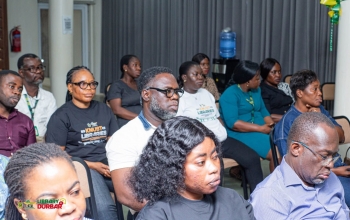
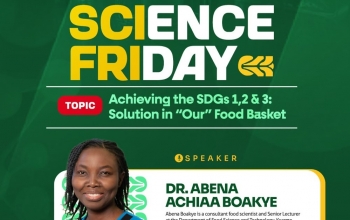
Dr. Kwadwo Owusu Akuffo, Senior Lecturer at the Department of Optometry and Visual Science, has raised concern over the rising cases of Computer Vision Syndrome (CVS) among young people and professionals, warning that prolonged screen use is quietly straining the eyes of many Ghanaians. Speaking at the third edition of Science Friday, an academic engagement platform organised by KNUST Libraries to promote scientific discussion, research sharing, and interdisciplinary collaboration, he addressed the theme “Vision Revolution: The Science Behind Better Eye Care.” “Computer Vision Syndrome is a group of eye and vision problems resulting from prolonged screen use. When we stare at screens for long periods, our blink rate reduces, leading to dry eyes. At the same time, continuous near focus causes fatigue, while glare and poor posture increase visual stress,” he explained. He noted that common symptoms include eye strain, dryness, irritation, blurred vision, headaches, and even neck and shoulder pain, conditions many people often ignore until they worsen. To curb the condition, Dr. Owusu Akuffo emphasized simple but effective preventive measures, particularly the 20-20-20 rule, which involves looking away from the screen every 20 minutes at something 20 feet away for at least 20 seconds. “Keep your screen at a distance of about 50 to 70 centimetres and position it slightly below eye level. Blink more often, ensure proper lighting, and use the right prescription glasses where necessary,” he advised. Beyond digital eye strain, he highlighted the broader challenge of preventable vision loss, revealing that nearly 90% of vision problems can be avoided with early detection and proper care. Dr. Owusu Akuffo also spotlighted the role of the KNUST Low Vision Centre, which provides specialized assessments and assistive devices such as magnifiers and electronic aids for individuals with irreversible vision loss, while training eye care professionals across the country. He urged the public to adopt healthy eye care habits, including regular eye examinations, wearing UV-protective sunglasses, and maintaining a balanced diet rich in vitamins A, C, and E. He called on Ghanaians to prioritize routine eye checks and proactive care to prevent avoidable vision loss. “If you close your eyes for a minute, you will begin to imagine the life many people live in darkness and blindness,’’ he said.

25th-Apr-2026
Book Aid International Donates Books to Support KNUST Library Expansion

The Kwame Nkrumah University of Science and Technology, Kumasi (KNUST) Library has received a new consignment of books from Book Aid International to enrich its collections, facilitated by former University Librarian, Dr. Helena Asamoah-Hassan. Dr. Helena Asamoah-Hassan.The initiative was described as a continuation of her longstanding commitment to literacy development and library outreach. Dr Asamoah-Hassan explained that the donation forms part of an ongoing partnership with Book Aid International, aimed at providing quality books to children’s libraries, secondary schools and selected tertiary institutions across the country. “When I learned that the children’s libraries at KNUST were reopening, I felt it was important to include them in our next distribution. I’m praying that as new consignments arrive, the KNUST Library will always be kept in mind,” she said. Dr Asamoah-Hassan added that similar donations have benefited children’s hospitals and community libraries, reinforcing her belief that access to reading materials is central to education and social development. After serving KNUST for 14 years, she said returning to contribute again felt deeply meaningful. “I’m happy to be back and to support the office I once sat in,” she said. University Librarian, Dr. Richard Bruce Lamptey.The University Librarian, Dr. Richard Bruce Lamptey, expressed appreciation for Dr Asamoah-Hassan’s leadership. “We are very happy that she is here to support us and register the new books,” he said.

18th-Apr-2026
Science Friday Episode 2 : Deadlines Are Temporary, Your Health Is Not, KNUST Lecturer Calls for Balance

 Published: 10th Apr 2026   Dr. (Mrs.) Mary Amoako, Senior Lecturer at the Department of Biochemistry and Biotechnology at Kwame Nkrumah University of Science and Technology (KNUST), has urged students and staff to prioritise their health over academic and work pressures, warning that unmanaged stress can have serious physiological and psychological consequences. Speaking at the second edition of the ScienceFriday Series organised by the KNUST Library System, Dr. Amoako emphasised that while deadlines are inevitable in academic environments, health must remain a top priority. “Deadlines are temporary, your health is not,” she stressed. Dr. Amoako explained that stress triggers the release of cortisol, a hormone that, when persistently elevated, can negatively affect the body. According to her, high cortisol levels influence eating behaviours by disrupting hunger-regulating hormones such as ghrelin and leptin. She noted that individuals respond differently to stress. “There are some individuals who will undereat because they are stressed, others will overeat and crave fatty and sugary foods, while some develop irregular eating patterns,” she explained. She highlighted findings from several cross-sectional studies that reveal troubling trends among university students. One study involving 180 students across various colleges found that over 60 percent had limited access to food, with about two-thirds lacking sufficient meals, a situation she said has direct implications for mental health. Another study cited from her studies indicated that students experiencing high levels of stress recorded higher blood pressure compared to their less-stressed counterparts. A third study comparing teaching and non-teaching staff also revealed significant stress-related health patterns. Dr. Amoako outlined common behavioural signs of stress, including fatigue, headaches, anxiety, poor concentration, appetite changes, and feelings of being overwhelmed. To address these challenges, she encouraged practical lifestyle adjustments. “Fix your sleep and wake-up times, plan your day and your meals, engage in regular physical activity, and most importantly, address the root cause of your stress,” she advised She also urged students and staff to seek early support, pointing to the availability of wellness and counselling services on campus. On nutrition, Dr. Amoako advised individuals to prioritise whole foods, including whole grains, fruits, vegetables, healthy proteins, and oils, while staying well hydrated, especially during stressful periods. “Stress has the potency of affecting behaviour, especially eating habits, and this varies from person to person,” she added.  University Librarian, Dr. Richard Bruce Lamptey The University Librarian, Dr. Richard Bruce Lamptey, noted that the Science Friday Series is designed to promote the wellbeing of both staff and students. “Our aim is not only to meet targets but also to prevent situations where we sacrifice our health in the process,” he said. He described the theme of the session as timely and relevant in a fast-paced academic environment where pressure often leads to neglect of personal wellbeing. “Success is not measured only by deadlines met, papers submitted, or projects completed, but also by the wellbeing we preserve along the way,” he said. He called on the university community to consciously balance productivity with wellness to ensure sustainable success.

24th-Mar-2026
KNUST Library Senior Management Trained in Microsoft 365 to Boost Digital Productivity

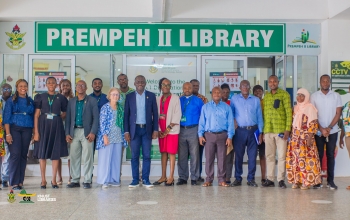
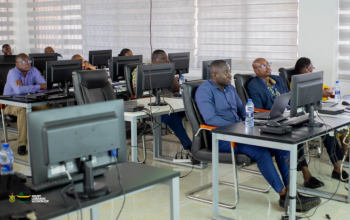
  Senior management staff of the Kwame Nkrumah University of Science and Technology, Kumasi (KNUST) Library have undergone training in Microsoft 365 to strengthen digital productivity and service delivery. The training forms part of a broader capacity-building initiative aimed at improving collaboration, workflow efficiency and the use of digital tools across the library system. Opening the session, Library Registrar Ms. Felicia Amankwah, who spearheaded the initiative, described the programme as “the long-awaited” first phase of a three-part training series designed to enhance staff skills, engagement and knowledge in essential digital platforms used in their daily operations. She urged participants to actively engage in the sessions and adhere to basic training protocols, including accessing programme materials via a QR code. Lead facilitator Mr. Caleb Tweneboah provided an overview of Microsoft 365 as a subscription-based suite of productivity tools, including Outlook, Teams, Word, Excel, PowerPoint, OneNote, Stream, SharePoint and OneDrive. He highlighted its cloud-based capabilities, which enable users to access documents remotely, receive automatic updates and collaborate in real time. He said the platform offers flexibility in managing storage and user access, while enhancing seamless communication and document sharing across teams. A significant component of the training focused on digital security, with participants taken through practical steps to safeguard personal and institutional data. Mr. Tweneboah demonstrated how to identify phishing attempts and suspicious email formats, cautioning staff against malicious senders who mimic legitimate addresses. Participants also engaged in hands-on demonstrations of Outlook and Teams, with practical guidance on how the tools can be used to streamline communication and coordination within the library. The training is expected to continue with additional sessions under the three-phase programme, as the KNUST Library intensifies efforts to leverage digital technologies to improve operational efficiency and service delivery.

14th-Mar-2026
KNUST Library Launches ‘ScienceFriday’ Series Initiative to Promote Scientific Dialogue

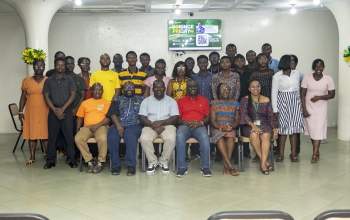
The Library System of the Kwame Nkrumah University of Science and Technology, Kumasi (KNUST) has launched a new academic engagement platform known as ‘ScienceFriday’, aimed at encouraging scientific discussion, research sharing and interdisciplinary collaboration within the university community. The initiative brought together students, researchers, faculty members and library staff to explore scientific ideas and emerging research. University Librarian, Dr. Richard Bruce Lamptey, welcomed participants and highlighted the importance of making science accessible to everyone. “Science is a very powerful thing,” he said. “If you are not careful, you will think that it is only for clever students or those with very sharp brains. This programme is going to demystify science and mathematics and many of the things we think are difficult about science.” He emphasised the evolving role of academic libraries, describing them as active partners in the research and innovation process. “The KNUST Library System, as the intellectual hub of the University, is committed not only to providing access to information resources but also to supporting the entire research life cycle, from discovery of information to knowledge creation and dissemination,” he said. He also commended library staff and other university personnel for their efforts in organising the programme, noting that their dedication demonstrates the continuing importance of libraries in fostering academic dialogue. Dr. Cyril Dziedzorm Boateng, a Senior Lecturer in the Department of Physics, delivered a presentation exploring how modern geophysical techniques, including drones and ground-penetrating radar, were used to uncover historical artefacts at a long-lost 18th-century fort in Ghana’s Central Region. He also highlighted a key challenge faced by Europeans when constructing coastal forts: access to fresh water. “Since Europeans could not drink seawater, they had to create underground cisterns, either carved directly from rock or constructed using bricks brought on their ships,” Dr. Boateng said. He encouraged students to visit the exhibition at the KNUST Museum, where artefacts, photographs, maps and scientific results from the project are currently on display. “When you see the exhibition, you will understand the full story,” he said. “It will help you appreciate how science connects to our history.” Dr. Boateng also advised students not to limit themselves to only their fields of study. “Do not box yourself in,” he said. “Be open to learning. Be curious. Science is everywhere.”